

Unexploded bombs from the Second Indochina War are still found across rural Laos, often in areas where families farm, collect food or play. Risk education helps communities recognise these dangers and respond safely when they encounter them.
In Hangkang Village, nine‑year‑old Kangna used what she had learned through MAG’s risk education sessions to protect her family and friends.
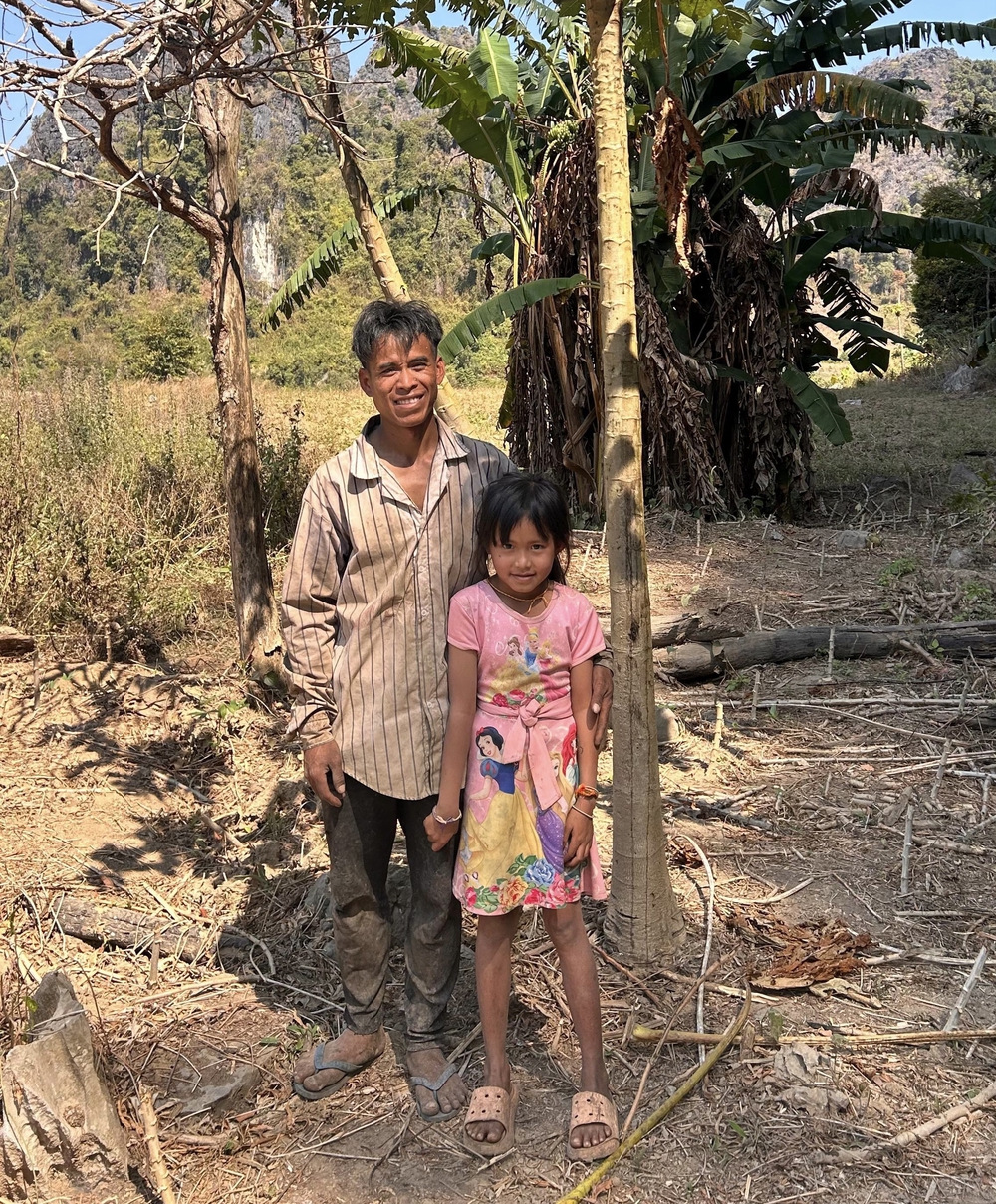
Kangna, a Grade 2 student, had left home with her brothers and friends to pick a papaya so her mother could prepare a papaya salad. Near the family’s cassava field where papaya trees grow, Kangna and her friends noticed a suspicious object. It was sitting at the bottom of a hill, not far from where they were standing. The item was later identified as a "bombie", one of millions dropped during the conflict that left Laos the most heavily bombed country per capita in the world.
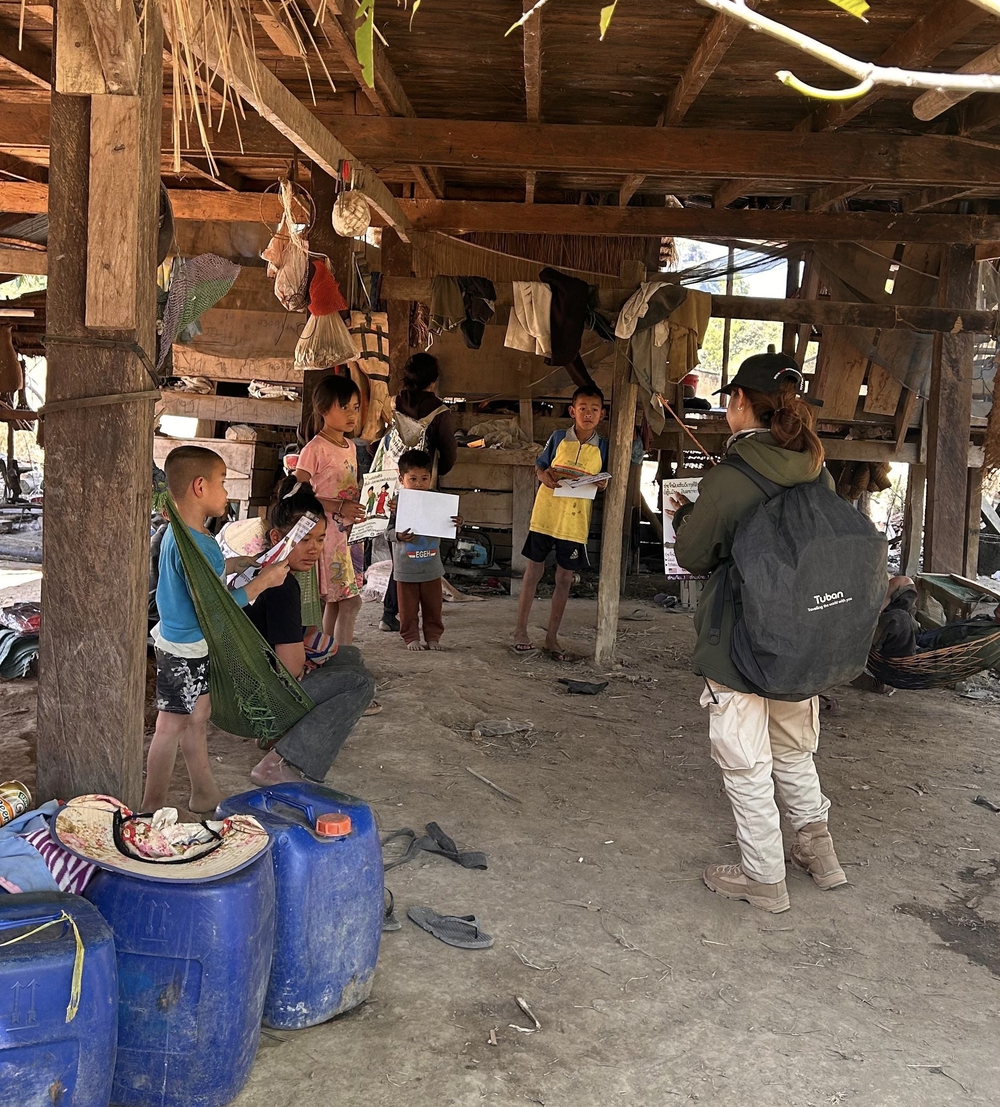
To many children, the small, round object might have looked like a metal ball to play with. But Kangna recognised what it really was instead. She remembered its shape from a risk education session MAG had delivered earlier at her school.
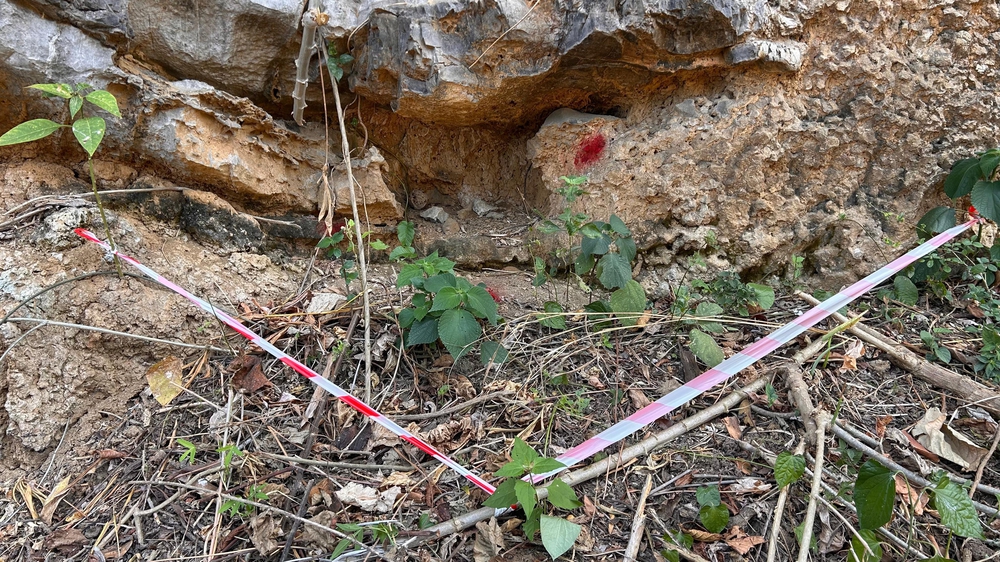
“I was going to get papayas,” Kangna told our team. “But when I saw it, I was scared. I was afraid it would explode.”
Kangna stayed back and told her friends to do the same, then returned home to alert her family. She reported what she had seen to her father.
Her father, Mr Sing, who had reported unexploded ordnance before, understood the risk immediately. When MAG’s Community Liaison team later passed through the village, he showed them the exact location.
“I am aware of UXOs and I have always been worried about the danger to my family,” said Mr Sing. “I want my children to stay alert and know how risky these items are.”
Kangna watched the disposal from a safe distance, admitting, “I went to hide” until the danger was gone. Now, she no longer has to worry when she goes to pick another papaya.
This is why MAG delivers risk education in schools and villages across Laos. When children and families know how to recognise unexploded ordnance and respond safely, they can avoid danger during everyday activities.


